Effective Methods for Removing Stubborn Bumper Stickers
Old bumper stickers, while once a vibrant expression of personality or a cherished memory, often overstay their welcome. Sun-baked, cracked, and faded, they can become an unsightly blight on your vehicle's otherwise pristine finish. The challenge of removing them without damaging your paintwork or leaving behind a sticky, frustrating residue is one many car owners face. While many resort to harsh chemicals or aggressive scraping, there's a lesser-known approach that, despite its somewhat unorthodox appearance during application, yields remarkably clean results.
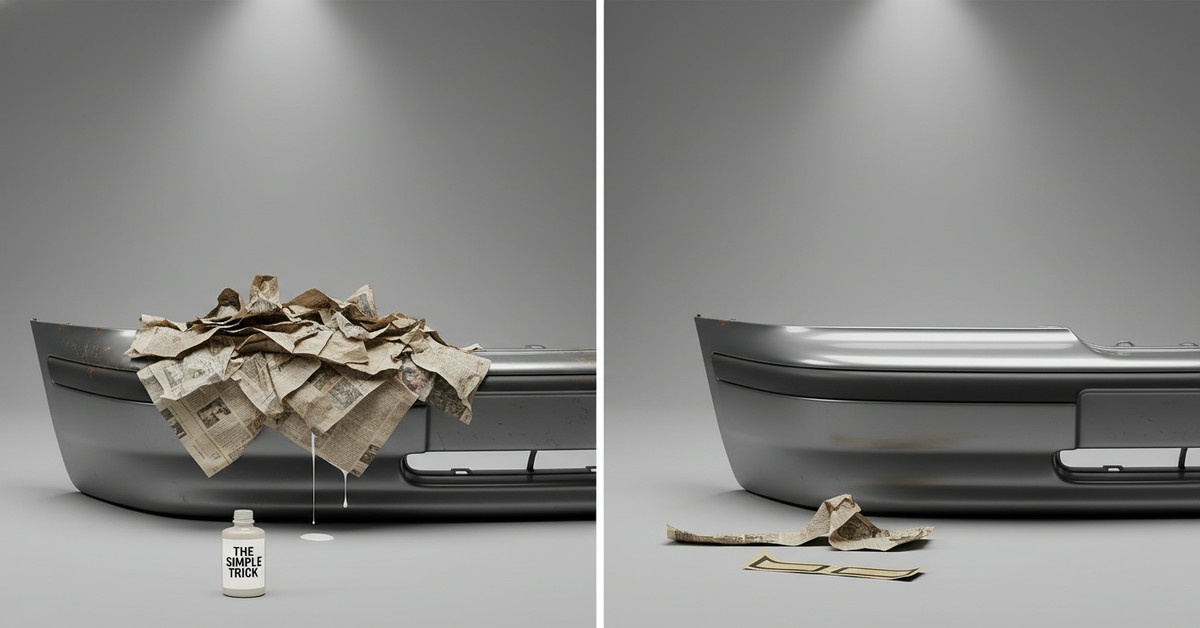
The conventional wisdom often points towards heat guns, specialized solvents, or even razor blades. These methods can indeed work, but they carry risks. Too much heat can damage paint, strong solvents can strip finishes, and blades, even plastic ones, require a delicate touch to prevent scratching. This is where a method we affectionately refer to as "The Simple Trick That Looks Like a Mess But Makes Old Bumper Stickers Peel Right Off" comes into play. It's an approach that prioritizes gentle yet effective dissolution of the adhesive, allowing the sticker to be lifted away rather than aggressively scraped.
Old bumper stickers, while once a vibrant expression of personality or a cherished memory, often overstay their welcome.
The Messy-Looking Secret to Clean Bumpers
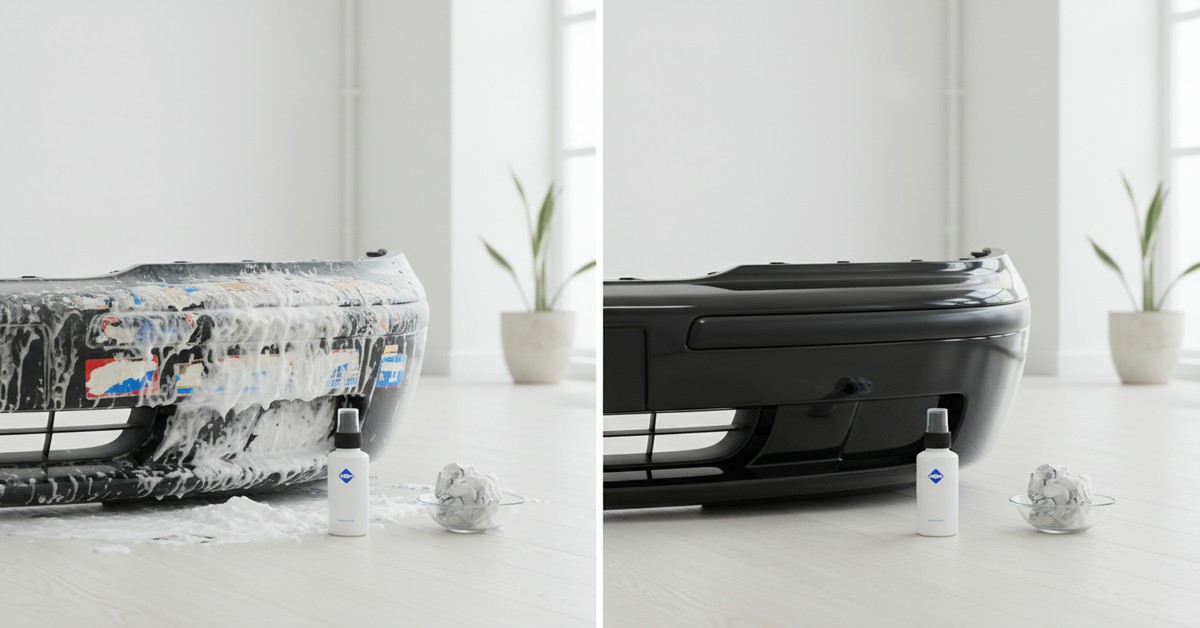
What exactly is this seemingly chaotic but effective method? Imagine a thick, gooey paste, applied generously over the entire surface of your stubborn bumper sticker. This isn't a factory-made solution; rather, it’s a home-based concoction designed to safely break down the adhesive over time. The "mess" comes from the application of this poultice, often a blend of household ingredients like white vinegar, baking soda, and a touch of dish soap. When mixed, these create a slightly effervescent, thick paste that covers the sticker entirely.
According to experts at WikiHow, the key to successful sticker removal often lies in patience and allowing a suitable solvent or softening agent to work its magic on the adhesive. This method embodies that principle. Once the "messy" paste is applied, the next step involves covering the treated area with plastic wrap. This isn't just to keep the paste in place; it’s crucial for preventing the mixture from drying out, allowing it to penetrate and soften the sticker's adhesive layer effectively. Think of it as a mini, localized sauna for your bumper sticker, gently loosening its grip without needing excessive force.
Step-by-Step Application for Spotless Results
- Prepare the Surface: Clean the area around the sticker with soap and water to remove loose dirt.
- Mix the Poultice: Combine approximately two parts baking soda with one part white vinegar and a few drops of dish soap. Adjust proportions to achieve a thick, spreadable paste. It should resemble a thin pancake batter or a thick hand cream.
- Apply Generously: Spread the mixture thickly and evenly over the entire bumper sticker, ensuring complete coverage. Don't be shy; this is where the "mess" comes in!
- Cover and Wait: Carefully cover the pasted sticker with plastic wrap, pressing down to ensure it adheres to the paste and the car surface. Let it sit for at least 30 minutes, or even a few hours for particularly stubborn stickers.
- Gentle Removal: After the waiting period, remove the plastic wrap. You should notice the sticker material feeling softer and the edges lifting. Use a plastic scraper (never metal!) or even an old credit card to gently push under the edges of the sticker. It should begin to peel away, often in large pieces, leaving minimal or no residue.
- Clean Up: Wipe away any remaining paste and residue with a soft cloth dampened with warm, soapy water. Finish with a quick polish if desired.
This process, while visually less appealing during its application phase than simply spraying a chemical, offers a safe and highly effective alternative. Good Housekeeping often advocates for gentle, multi-step solutions for household dilemmas, and this method aligns perfectly. It avoids harsh fumes, minimizes scratching risks, and leverages common household items, making it an accessible and environmentally friendlier option for tackling those persistent bumper sticker challenges. The transformation from a messy application to a perfectly clean bumper is truly satisfying.